Following the invasion of Afghanistan by the Former Soviet Union in 1979 and the ensuing uprising of the Afghan people, millions of Afghans poured across the border into Pakistan and Iran in what came to be known as one of the world’s biggest and most protracted refugee crises in the second half of the 20th century.
On the other side of the border, in Pakistan’s Northwest Frontier Province (now called Khyber Pakhtunkhwa), tens of camps were established to deal with the influx of refugees who often left their homes with very little or no possessions. The number of refugees overwhelmed the capacity of UN institutions and NGOs, which struggled to deliver life-saving humanitarian and livelihood assistance.
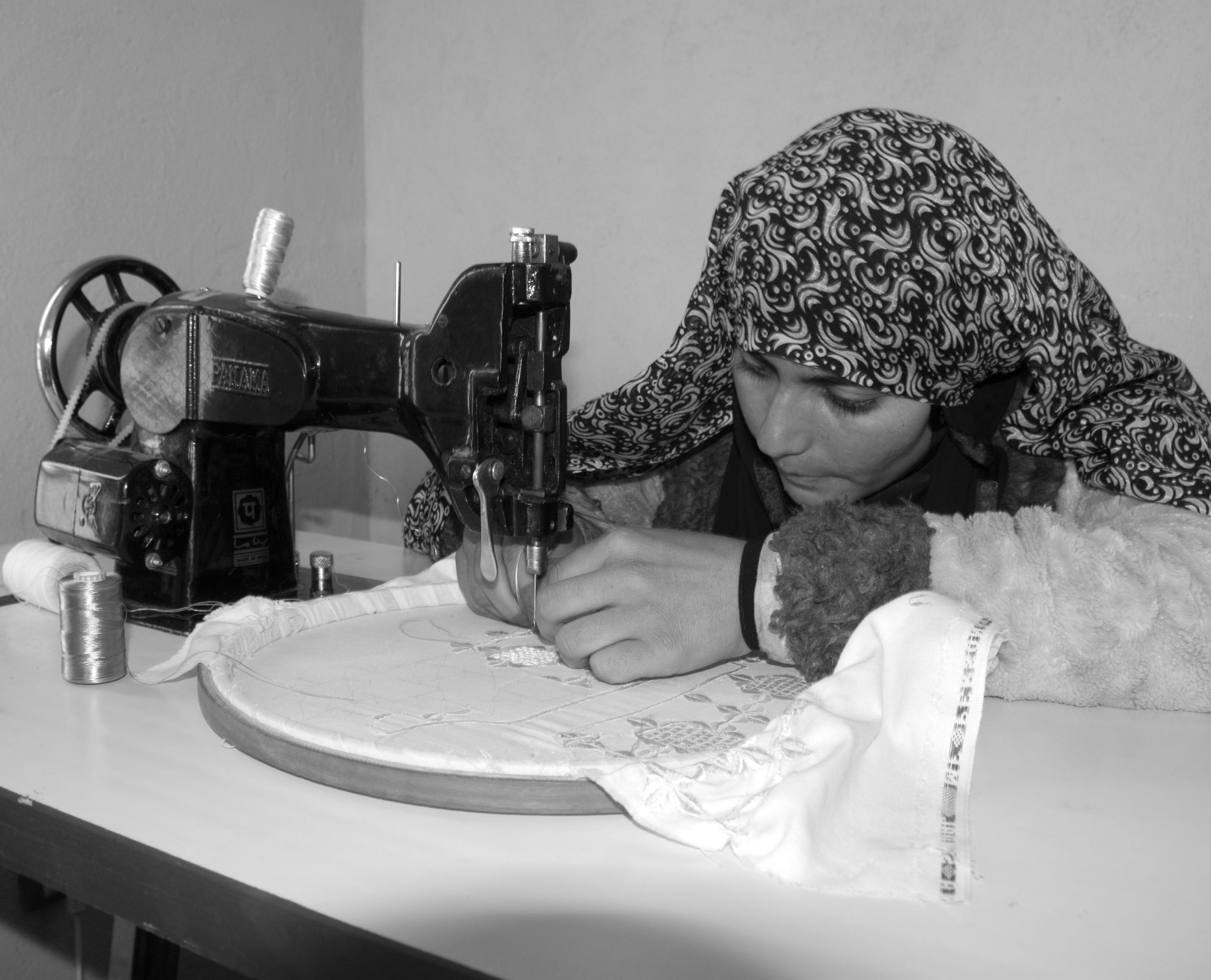
A group of Danish volunteers, at the height of the Afghan refugee crisis in January 1984, laid the foundation for DACAAR with the commencement of a Sewing Project in Gandaf Camp in Swabi District of Khyber Pakhtunkhwa, Pakistan.
The project provided women with an income-generating activity that could be accomplished within the constraints of the Afghan cultural environment while at the same time supporting the continuation of traditional Afghan embroidery.
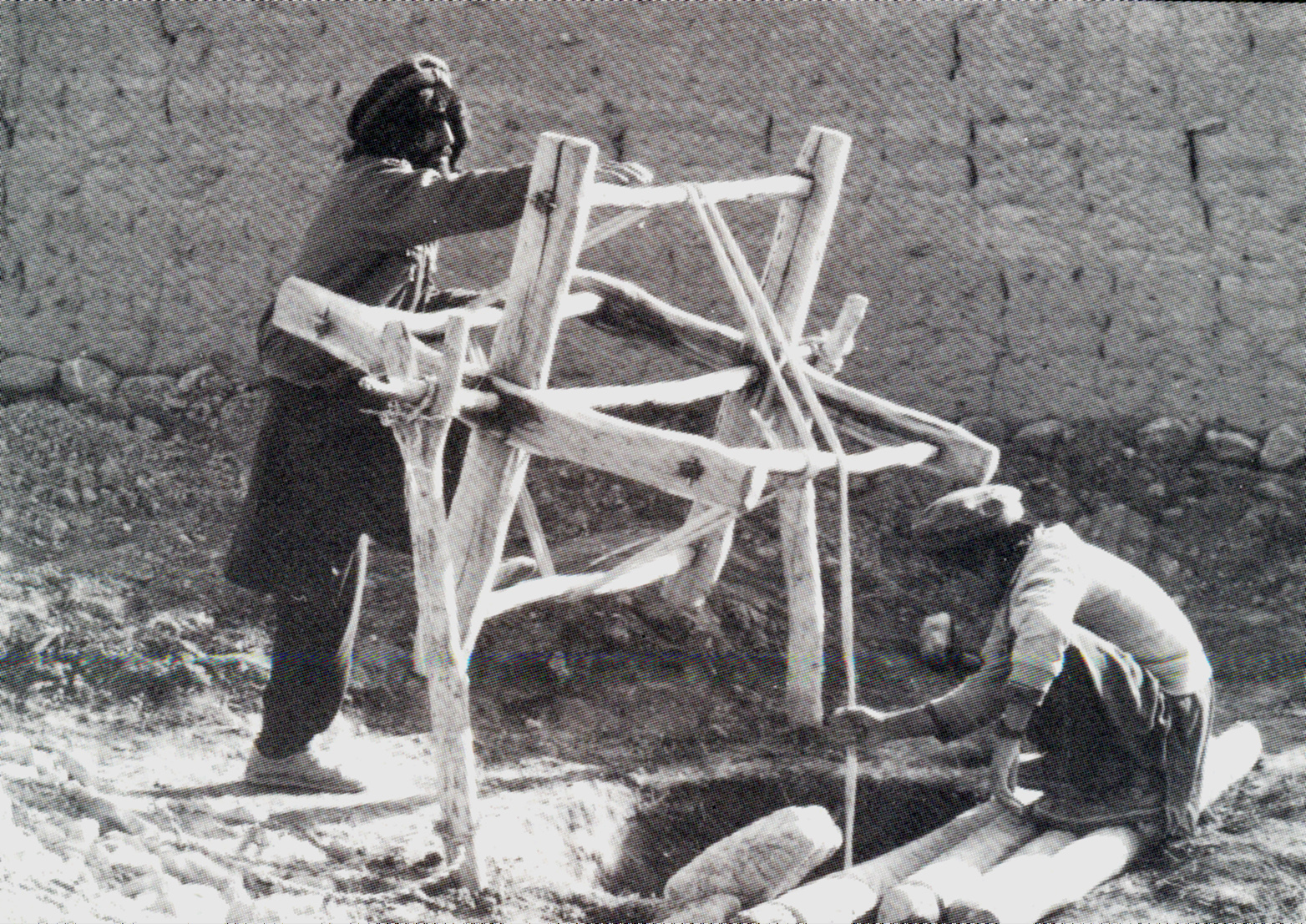
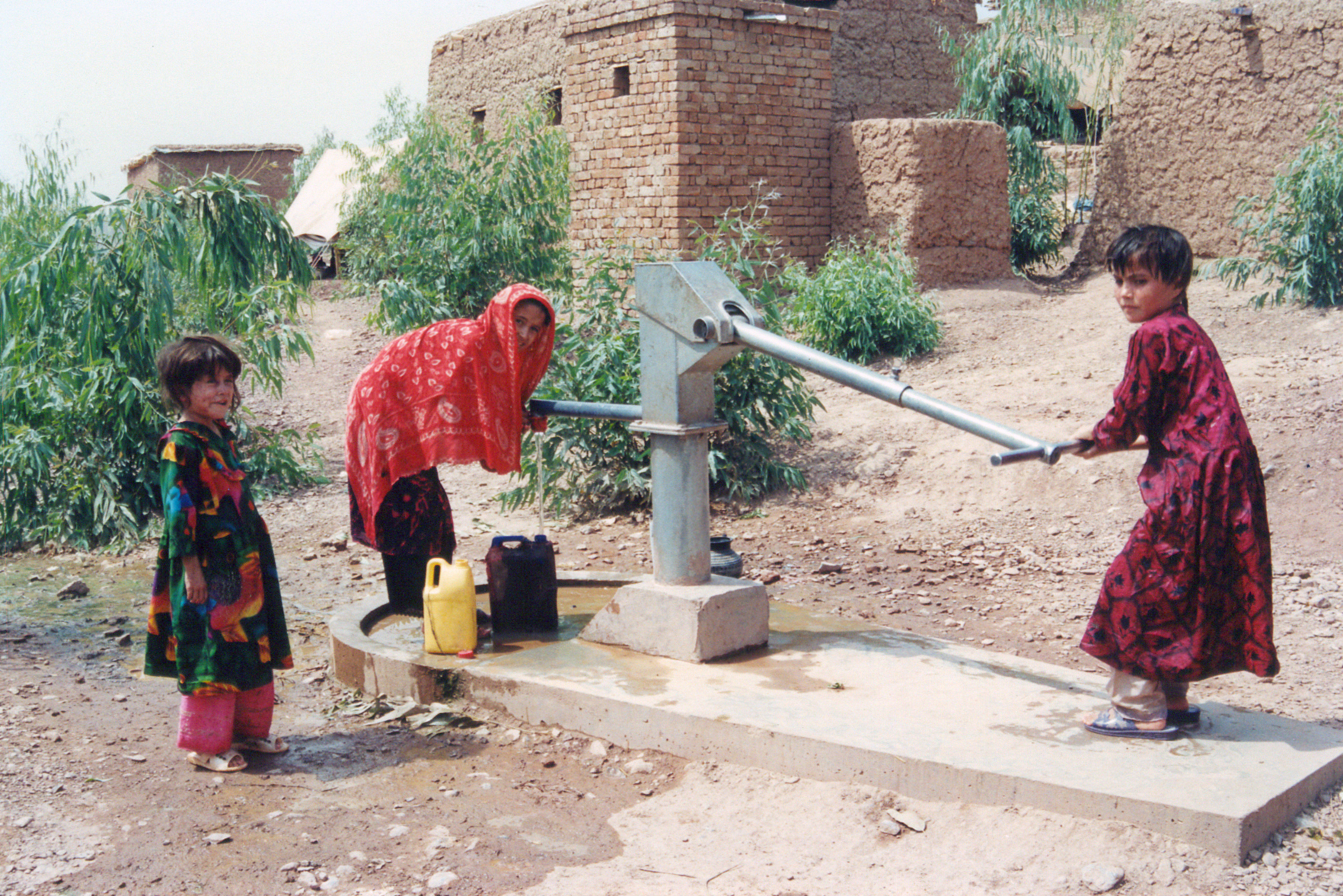
In July 1986, DACAAR took over water supply services to refugee camps from UNICEF, and by 1987 saw a major expansion of activities under the Water Supply Project. Two new projects – the DACAAR Hand Pump Factory and the Access Road Project – were started, and the Water Supply Project increased coverage and maintenance activities. By 1988, DACAAR worked for Afghan refugees in camps throughout Khyber Pakhtunkhwa Province.
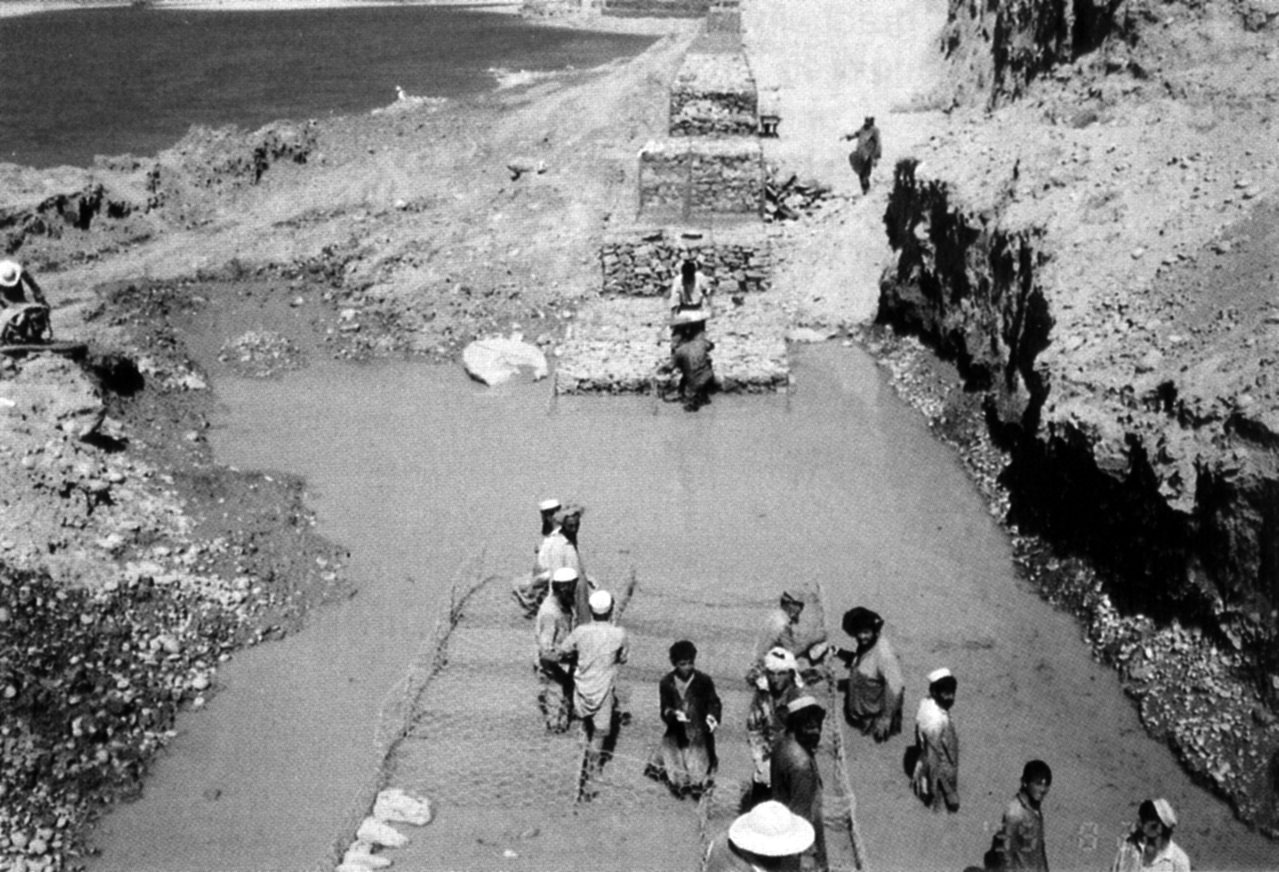
The most significant change for DACAAR came in 1989 when we expanded with a Rehabilitation Programme in addition to the Refugee Programme. The purpose of the Rehabilitation Programme was solely cross-border reconstruction work inside Afghanistan, which marked the beginning of our operations in Afghanistan that continue to this day.
With the overthrow of the Taliban at the end of 2001 and the subsequent establishment of the Transitional Islamic Government of Afghanistan, it was finally possible for us to move our Main Office from Peshawar, Pakistan, to Kabul. We remained operational in Pakistan until the end of 2005, continuing to deliver water supply services in Afghan refugee camps.
Over the last one and a half decades, DACAAR has established itself as a leading NGO involved in the reconstruction and development of Afghanistan for the benefit of its people.
We support the efforts of the Afghan Government and the international community through the implementation of hundreds of humanitarian and development projects across most provinces of Afghanistan.

 +93 700 288 232 |