 +93 700 288 232
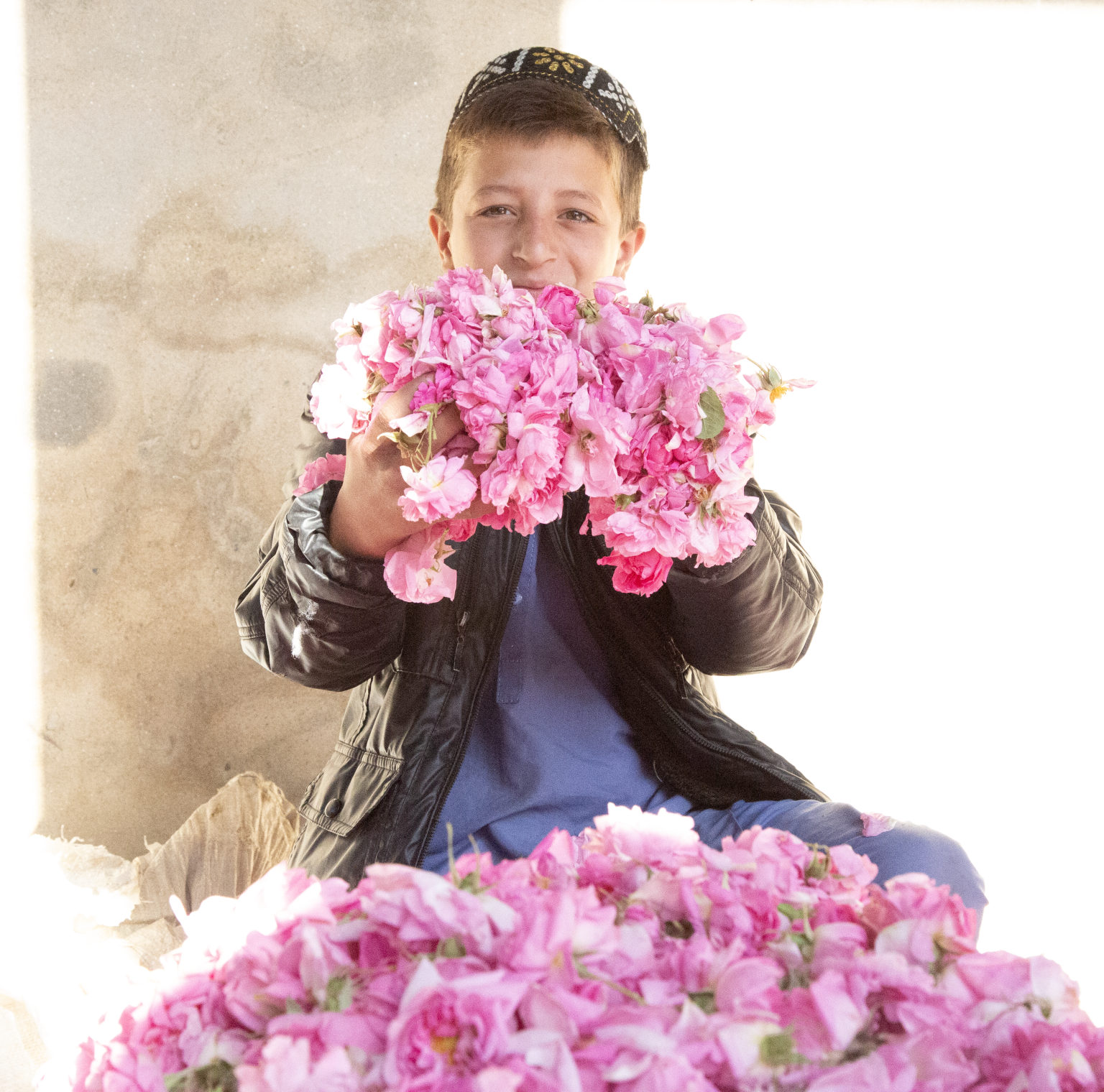
DACAAR’s early recovery and developmental interventions are aimed at building resilience, enhancing capacity and improving livelihoods for protracted internally displaced people and returning refugees and their vulnerable host communities.
We apply a holistic and integrated approach to our interventions with an emphasis on sustainability and real and positive changes for our beneficiaries. We consider our beneficiaries as the most important stakeholders and the main drivers of our interventions. While maintaining our Danish roots, we are deeply embedded in the Afghan society and have access and long-term relationships with thousands of communities across all 34 provinces of Afghanistan.
Our Vision
Empowered Afghan communities achieve sustainable well-being, dignity, and resilience.
Our Mission
To deliver integrated, inclusive, and community-driven humanitarian and development assistance, grounded in dignity, equality, and resilience
Core Values
 Integrity: We act transparently and honestly.
 Inclusiveness: We value diversity, gender equality, and participation
 Respect: We honor Afghan traditions, dignity, and cultural diversity.
 Collaboration: We work in partnerships across sectors and stakeholders.
 Learning and Adaptation: We commit to innovation, evidence-based programming, and continuous learning.
Our Community Based Approch:
The core principles outlined below are supported by DACAAR’s existing policy environment. The organization’s comprehensive policy framework, including the PSEA Policy, Protection Guidelines, Conflict Sensitivity Policy, Environmental Policy, and Anti-Terrorism and Sanctions Compliance Policy, operationalizes these principles across all areas of programming and internal governance. This alignment ensures that DACAAR’s 3-Year Strategy is grounded in ethical, inclusive, and rights-based approaches, while maintaining operational integrity, legal compliance, and community trust in Afghanistan’s complex and high-risk context. Humanitarian Principles (Humanity, Neutrality, Impartiality, Independence)
- Humanitarian Principles (Humanity, Neutrality, Impartiality, Independence)
- Gender Equality and Social Inclusion
- Accountability to Affected Populations
- Safeguarding and Protection
- Data Security and Privacy